
From home kitchen to laboratory production: food entrepreneurs share their stories
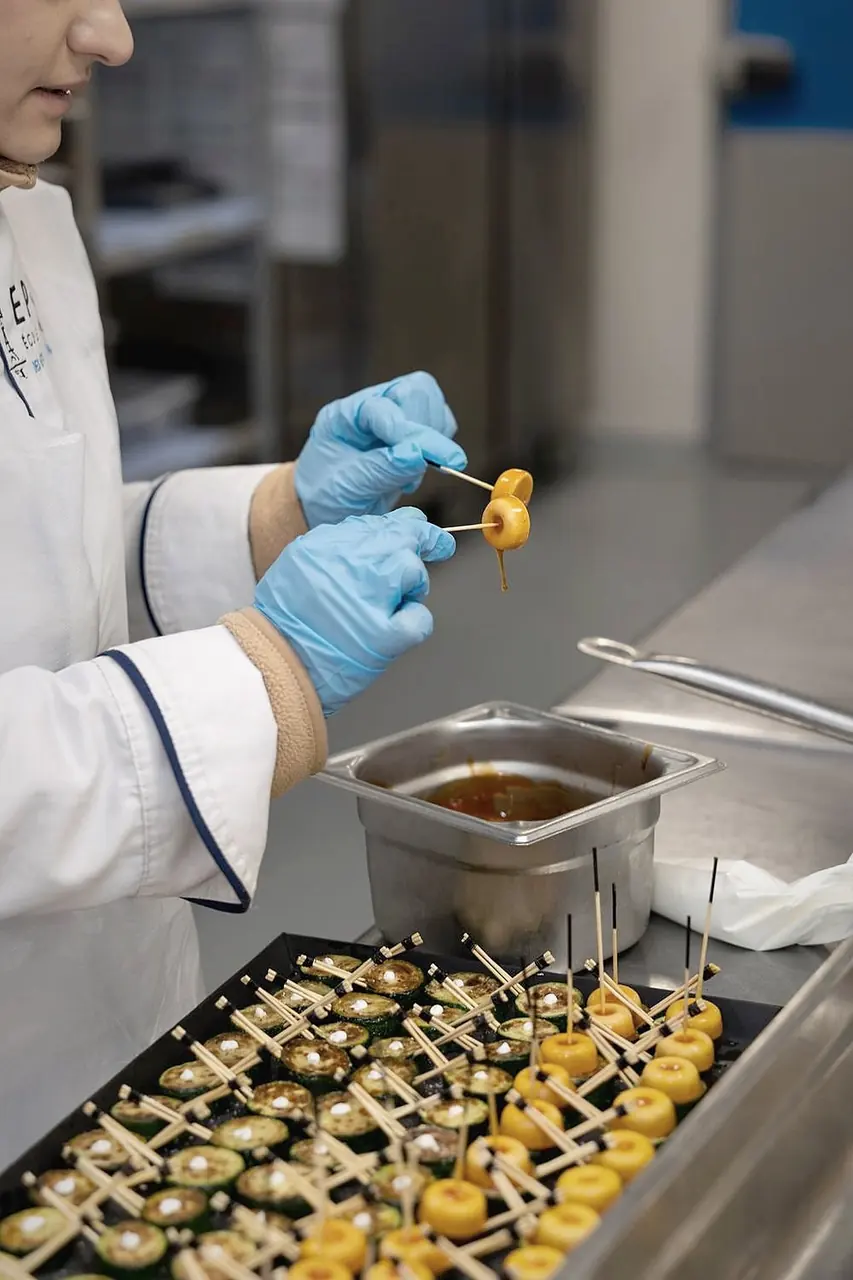
A key step for food creators
Moving from your home kitchen to a professional food production laboratory is an essential step in the life of a food entrepreneur. Whether you are a caterer, pastry chef, snack creator or plant-based food maker, this change allows you to:
- professionalise your processes;
- comply with hygiene standards (HACCP, food safety plan, traceability);
- increase your production volumes;
- work as a team in a suitable environment;
- prepare to scale up into new markets.
Testimonial from Nadège, co-founder of Confiture Parisienne
"We made our first jars in my kitchen, then in a small workshop in the suburbs at Laura's father's place. Today, we are set up in a real laboratory."
Based under the Viaduc des Arts in Paris, Confiture Parisienne was able to professionalise its methods thanks to its laboratory:
- autoclaves installed for sterilisation;
- professional cooking vats;
- a production circuit organised to meet standards.
Today, the brand is sold in prestigious stores such as La Grande Épicerie and Monoprix.
What is a professional food laboratory?
A production laboratory is not just a kitchen. It is an environment designed for efficiency, hygiene and scalability.
1. Optimised production flows
- Goods in and goods out
- Separate areas: receiving, preparation, cooking, cooling, packaging, dispatch
- Smooth circulation, without cross-contamination
2. Dedicated spaces
- Cold area (snacking, pastry, entremets)
- Hot area (cooking, prepared dishes)
- Packaging area
- Dry storage and cold rooms
3. Professional equipment
- Blast chillers
- Rotary and pastry ovens
- Vacuum-packing machines, tempering machines, dosing machines
- Stainless steel worktops, ventilation, food-grade floors
4. Traceability and quality tools
- Management of use-by dates, labelling, technical sheets
- Tracking of batches and raw materials
- Preparation for audits or certifications (ISO, organic, IFS…)
Testimonial from Cédric Meston, co-founder of HappyVore
"From the start, we knew we would need our own industrial facility. Producing in a laboratory allowed us to guarantee quality."
With HappyVore (formerly Les Nouveaux Fermiers), Cédric Meston quickly invested in a dedicated plant producing plant-based meat. This structuring enabled the brand to:
- raise more than €35 million;
- be listed at Monoprix, Carrefour and organic retailers;
- develop a full range of 100% plant-based products, distributed throughout France.
The concrete benefits of a production laboratory
| Objective | What a laboratory makes possible |
|---|---|
| Gain productivity | Professional equipment, streamlined gestures |
| Increase volume | Ability to meet demand |
| Structure your business | Processes, traceability, hygiene |
| Work as a team | Easier recruitment, safety |
| Develop new markets | Distribution, retail, delivery |
Tips for a successful transition
- Assess your needs: type of production, volume, equipment.
- Visit several laboratories (shared or private) before choosing.
- Formalise your recipes to make them compatible with professional equipment.
- Plan a gradual ramp-up to adjust your costs and organisation.
- Rely on an operational partner such as WeChefs.
In conclusion: a decisive transformation
Moving into a food laboratory gives you the means to structure your business, produce in full compliance and prepare for healthy growth. The stories of Nadège, Emma and many others prove it: this step is both demanding and liberating.
At WeChefs, we provide ready-to-use production laboratories across more than 1,200 m², designed for artisans, brand creators and food entrepreneurs.
Contact us to visit our facilities or try a day of production.