
The central kitchen: a strategic lever to boost your culinary business
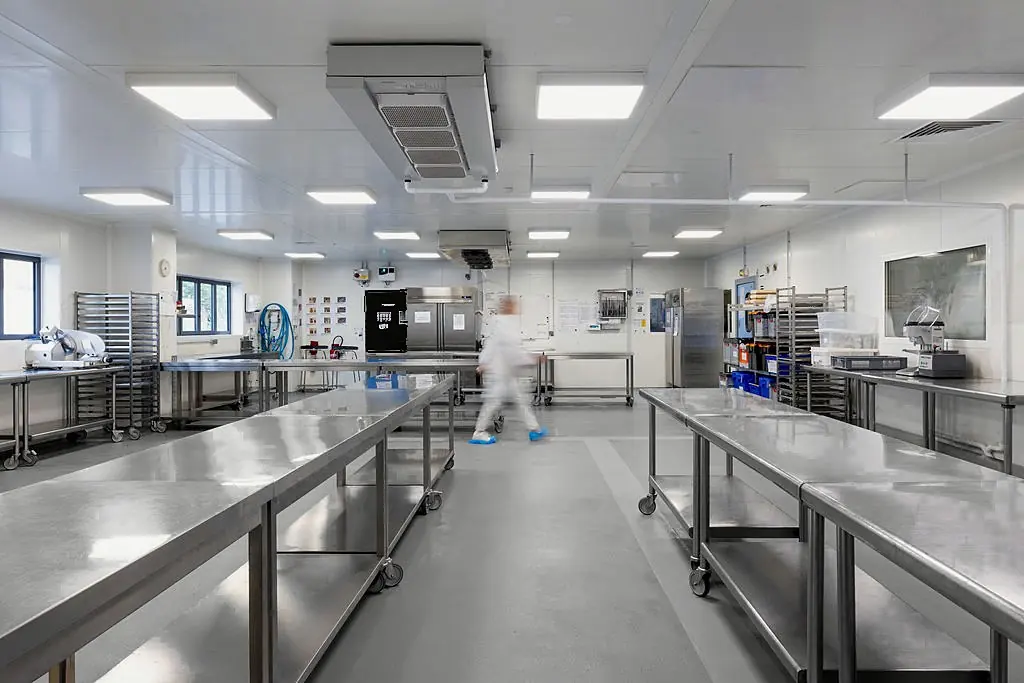
In the restaurant sector, innovation and optimisation have become essential to stand out and satisfy increasingly demanding customers. Whether you are a chef, restaurateur or pastry chef, setting up a central laboratory, or "central kitchen", can transform the way you work and boost your company's growth.
1. Better control of production and quality
In a central laboratory, production is concentrated in a single place. This centralisation makes it possible to optimise every preparation process, from the choice of raw materials to the development of recipes.
You not only gain productivity, you also ensure consistent, even quality, whatever the quantity produced.
- Standardised recipes: your customers enjoy a consistent taste experience, and team training becomes easier.
- Precise stock management: by grouping your purchases in one place, you maximise economies of scale and avoid waste.
2. Lower costs and time savings
A well-organised central laboratory can generate considerable savings:
- Grouped purchasing: better terms negotiated with suppliers.
- Shared equipment: a single large space fitted with suitable professional equipment (ovens, blast chillers, etc.), rather than several scattered units.
- Simpler logistics: everything is prepared and checked in the same place, limiting travel and breaks in the supply chain.
At the same time, production steps follow one another more quickly thanks to clearly defined processes. You can spend more time creating new recipes, managing your establishment or looking after your customers.
3. Encouraging innovation and creativity
When production constraints are lighter, creativity has more room to express itself. In a central laboratory, you can:
- test new recipes without disrupting service;
- set up production lines dedicated to research and development;
- adapt quickly to culinary trends (vegan recipes, gluten-free alternatives, etc.).
4. Improving food safety and hygiene
Food safety is a major issue in the restaurant sector. A central laboratory provides an environment particularly suited to meeting hygiene standards:
- Flow layout: strict separation between "clean" and "dirty" areas.
- Stronger quality control: easier audits and traceability in the event of an inspection.
- Staff training: more effective awareness thanks to centralised teams.
5. Offering an optimal customer experience
By centralising production, you free up time and space in your establishment. Your front-of-house teams can focus more on welcoming and serving customers. Consistent culinary quality also strengthens the brand image of your restaurant or pastry shop.
Conclusion
Adopting a central laboratory means gaining efficiency, flexibility and creativity. This organisation lets you focus on innovation and customer satisfaction while reducing costs and maintaining optimal hygiene and quality.